

Great Barrier Reef: what gear should you bring?
Packing for Cairns or a reef liveaboard? Start with exposure protection, comfortable fins and the boat’s equipment list.
What to plan for
The Great Barrier Reef is a broad diving destination, not a single set of conditions. Your departure point, season and chosen sites matter. Queensland advises that marine stingers occur year-round in tropical waters, with higher risk during November–May.
Gear sections to check first
This is our suggested planning order for this kind of trip. It does not rank safety importance or replace the full equipment list your operator requires.
Exposure protection
Ask what thermal and sting protection the operator recommends for your dates. A lightweight skin is not a substitute for the warmth you need.
Signalling & rescue
Check the boat’s surface-signalling requirements and which items are supplied.
Masks, snorkels & fins
Choose the fin and footwear combination for the booked dives, then check luggage size.
Computers & instruments
Take a familiar computer with a screen you can read, plus its charging equipment.
Care & ownership
Confirm the rental package and spares before paying airline baggage charges.
Choose the trip before the kit
A day boat and a multi-day liveaboard can involve different baggage limits, rental arrangements and numbers of dives. Send the operator your dates and experience before buying equipment for the trip. Ask which sites the itinerary normally uses and what can change with the weather.
Do not copy a packing list from a summer snorkelling trip and assume it covers scuba diving. Check exactly what the operator supplies, including cylinders, weights and any required surface-signalling equipment.
Work out what you will wear
Ask about expected water conditions at the planned dive sites and the exposure protection available in your size. Explain if you usually feel cold or are planning several dives a day. An operator can help narrow the choice before you buy a suit.
Follow current local advice on marine-stinger protection. Do not assume warm water removes the need for coverage or that a thin suit provides enough insulation for you.
Compare the gear you will carry
Try your mask before departure and take the footwear you intend to use when trying fins. For a computer, familiarity with the controls matters more than buying the most expensive model a week before travelling.
The products below are options to investigate, not a complete kit or a claim that they outperform alternatives on this reef. Their pages separate manufacturer details from published review scores.
Leave room for the small things
Pack a protective mask case, compatible charging cables and the spares recommended for your own equipment. Ask about fresh-water rinsing and drying arrangements on the boat. Keep your kit labelled so similar rental or personal items do not get mixed up.
What to rent and what to buy
If this is an occasional trip, compare the full hire cost with buying and transporting a complete setup. Confirm rental fit and availability in advance. A well-fitted item you already know may be more useful to bring than a new accessory you have not used.
Gear to compare for this trip
These examples have researched manufacturer specifications in our catalogue. They are not a complete setup or a claim of suitability for every site in the region. Suit and regulator choices need a model-specific check with a qualified local provider.
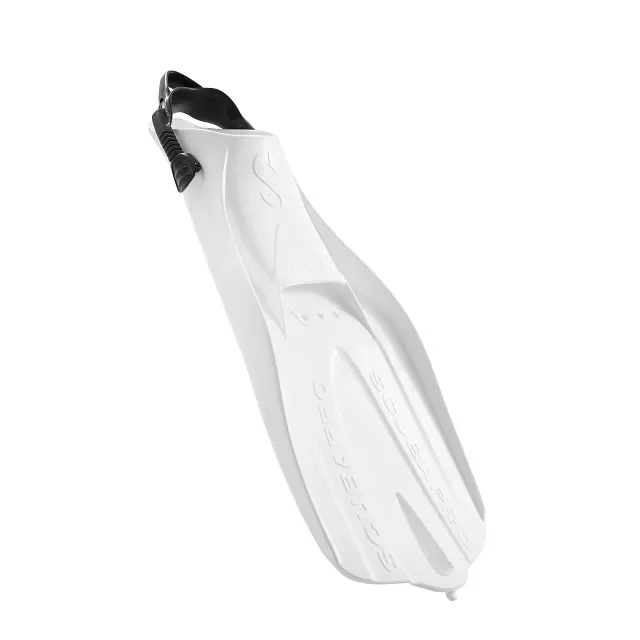
GO Travel Fin
Worth comparing when the operator’s advice and your fit suit barefoot or neoprene-sock fins. Compact packing alone is not enough to choose them.
Manufacturer details ↗Read the product page →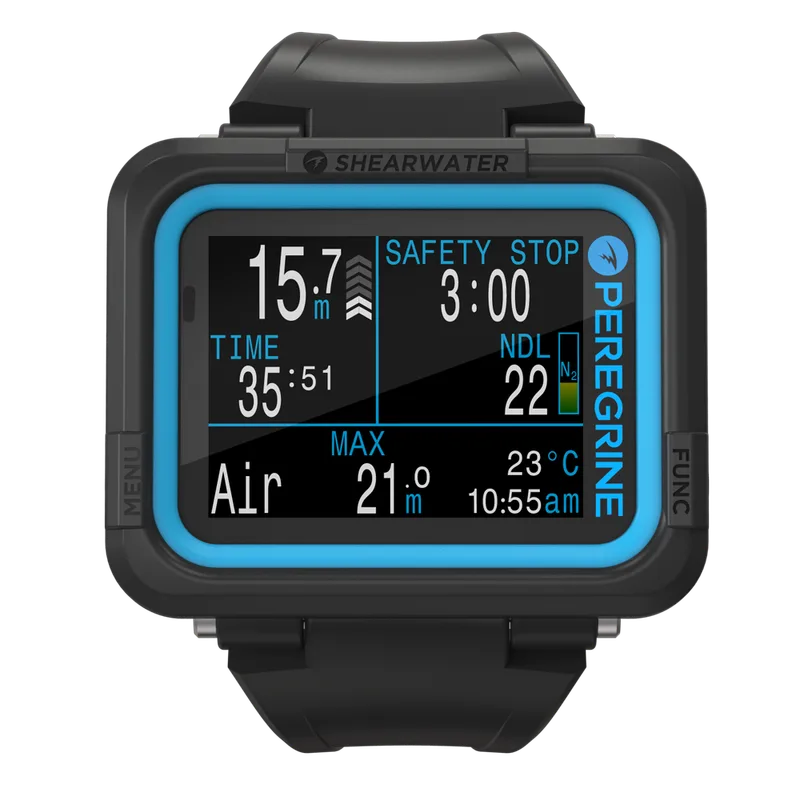
Peregrine
A rectangular-display option to compare if you want a dedicated dive computer. Read its capabilities against your planned diving.
Manufacturer details ↗Read the product page →Ask your operator before booking
- What exposure and stinger protection do you recommend for my dates?
- Which signalling equipment must each diver carry?
- What is included in hire, and is there a baggage limit?