

Buying Scuba Gear in Australia: A Practical Checklist
Buying your first kit or upgrading one piece? Here’s how to compare the full cost, check local support and choose equipment for the trips you actually have planned.
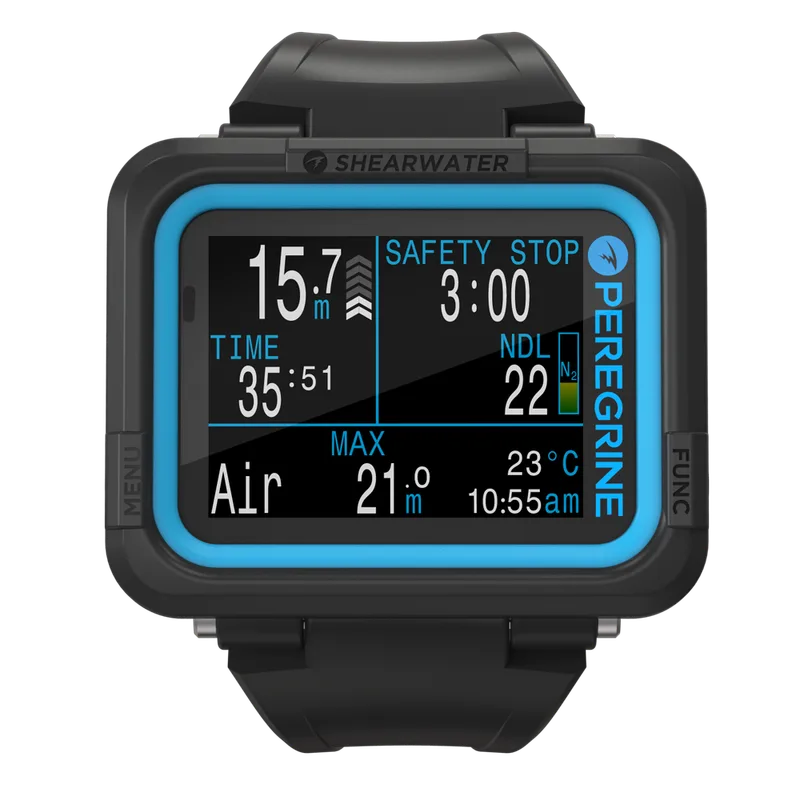
Peregrine
A rectangular dive computer built around a 2.2-inch colour LCD and two-button controls. Air, nitrox, three-gas nitrox and gauge modes cover its core functions; vibration alerts and wireless charging keep the interface straightforward.
Manufacturer specifications ↗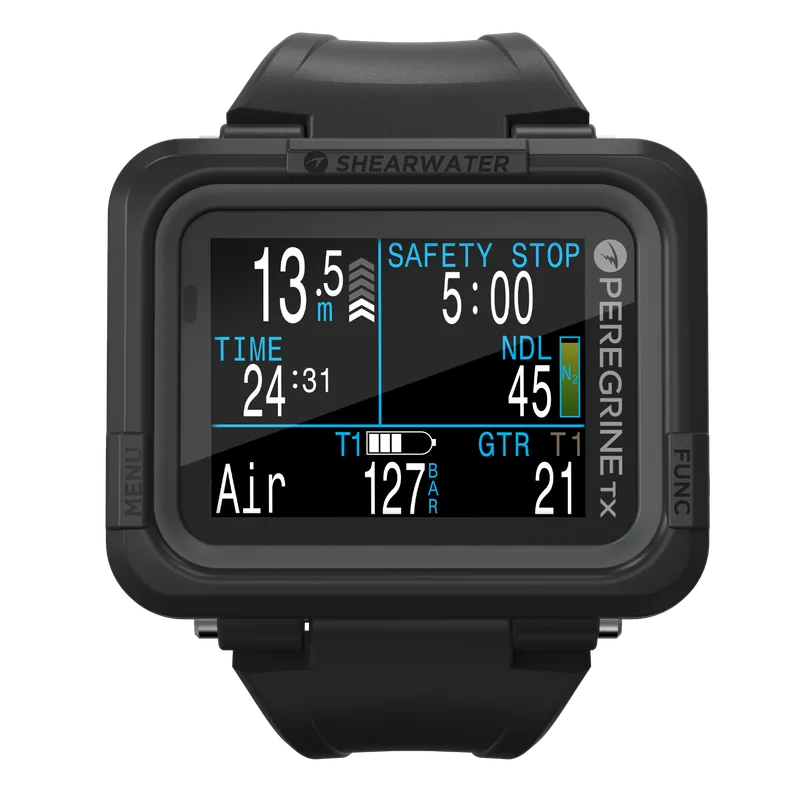
Peregrine TX
The Peregrine TX combines a large rectangular colour display with wireless tank-pressure support and a tilt-compensated compass. It supports up to four optional transmitters and retains two-button operation, vibration alerts and wireless charging.
Manufacturer specifications ↗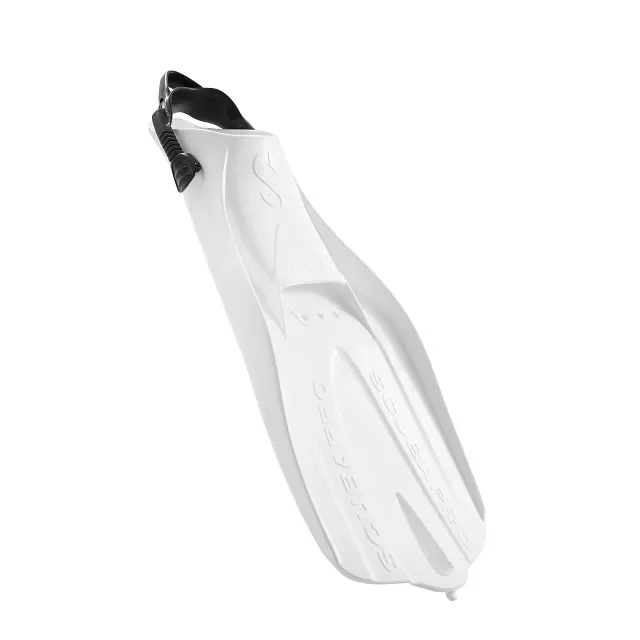
GO Travel Fin
GO Travel is an open-heel fin designed for bare feet or neoprene socks. Its Monprene construction, bungee strap and interlocking blades make it a compact packing option.
Manufacturer specifications ↗Start with your next few dives, not a dream shopping cart
Write down where you are likely to dive, whether you will be on a boat or entering from shore, and what equipment you already know how to use. A trip from Cairns, regular local shore dives and a holiday that involves several flights can create different shopping priorities. Ask the operator about the booked sites and dates before deciding that a particular suit thickness or fin style is right for the trip.
Then list what your present equipment does not do well. Perhaps your mask presses on your nose, your computer is difficult to read or your bag is awkward to carry. Those are useful buying briefs. “A more advanced model” is less helpful until you can explain which extra feature you will actually use. If rental equipment already meets your needs, buying everything at once may not solve a problem.
Compare the exact model and the whole package
A familiar name can cover different generations, sizes and bundles. Put the full product name and model code beside each quote. For a regulator, identify the first stage, second stage, connection and included hoses. For a BCD, record the size, weight system and inflator. For a camera housing, identify the camera, lens, port and gears before comparing prices.
The Peregrine and Peregrine TX illustrate why this matters. Both have the same listed display size, but the TX adds compatible wireless tank-pressure support and a compass. If pressure monitoring is the feature you want, the quotation needs to identify the required transmitter too. A computer-only price and a transmitter bundle do not buy the same setup. The linked comparison explains those differences without transferring a rating from one model to the other.
Ask who will support it where you live
Before paying, find out who can inspect or service the exact equipment and whether the seller can supply the parts it needs. Ask about the current manufacturer requirements, expected turnaround and how you would arrange support while travelling. Do not assume that every shop carrying a brand services every model or keeps the same parts in stock.
For equipment with rechargeable batteries or special accessories, ask what happens when a charger, cable, strap or battery needs replacement. The lowest purchase price is less persuasive if the particular item you rely on cannot be obtained when needed. Keep the seller’s answers with your quote so that support becomes a concrete part of the comparison rather than a vague promise.
Put every quote on the same Australian-dollar basis
Request the final amount you would pay in Australian dollars, including the accessories and delivery you need. If considering an overseas purchase, ask the seller and relevant providers about applicable charges, currency conversion, shipping and the practical process for returns. This guide does not calculate import charges or promise that a displayed foreign price is your final cost.
Compare like-for-like totals rather than a headline discount. A bag may need separate padded cases. A light may need a battery and charger. A housing may need a lens port before it can be used at all. Write those items on separate lines, then ask whether the equipment you already own is explicitly compatible. A bundle can be convenient, but duplicated accessories are not automatically good value.
Make fitting part of the purchase
Bring the items that affect fit: your normal boot or sock for fins, the intended undergarments for a drysuit, and your regulator mouthpiece for a mask fitting. Try the controls with the gloves you use. Ask about a suitable supervised demonstration or fitting appointment where that would answer the question more reliably than another specification sheet.
GO Travel fins, for example, are documented for bare feet or neoprene socks. That is a different requirement from choosing an open-heel fin around a substantial boot. Their travel weight can be useful, but it does not settle footwear compatibility. Similarly, an impressive computer display is only useful if you can read the information comfortably at normal distance. A higher review score cannot resolve those personal fit checks.
Check what the review actually covers
Look for the exact model, the reviewed configuration and the date. A useful review of an older package can still teach you something, but its included accessories, controls or specifications may differ from the product now on sale. Manufacturer information tells you what is claimed or supplied; independent reviews may add observations, and those two kinds of evidence should remain distinguishable.
On this site, a score appears only when we have verified an eligible independent overall rating. No score means the evidence is missing, not that the product failed. Our head-to-head buying advice is a separate interpretation of the documented differences. Read the limitations and source notes before treating the higher number as the better purchase for you.
Pack for the trip you have actually booked
Confirm the operator’s complete equipment list, what rental equipment is available and any requirements for your booked dives. Ask about exposure protection for the actual dates and sites. Then check the current baggage and battery-transport rules with your carrier for the equipment you intend to take. A bag’s dimensions or a product’s “travel” name do not guarantee acceptance on a particular journey.
Weigh the complete packed setup, including chargers, straps, protective cases and any necessary spares. Keep delicate instruments protected and account for wet equipment on the journey home. If carrying your own cylinders or specialist equipment, discuss the arrangements with the operator and relevant transport providers before making assumptions based on the product page.
A simple final check before you buy
Your final note should contain the exact model, why it suits your requirements, the complete package, the fitted size or configuration, the full quote and who will support it. Add any unanswered questions from the comparison. If a question concerns mandatory fit or compatibility, settle it before placing the order instead of hoping that a similar model’s specification applies.
Ask the seller to explain their current return and exchange process, particularly for fitted, personalised or clearance equipment. Keep the invoice, serial numbers and relevant documentation once you buy. Follow the manufacturer instructions and arrange any fitting, installation or training the equipment requires. The best shopping result is a suitable setup you understand and can support—not the longest feature list.
Sources
We used the manufacturer pages below to check product details. We have not tested this equipment ourselves. Check the exact model and what is included with the seller before ordering.