
Shearwater vs TUSA
Peregrine vs Element III Dive Computer
Which one would we buy?
 Shearwater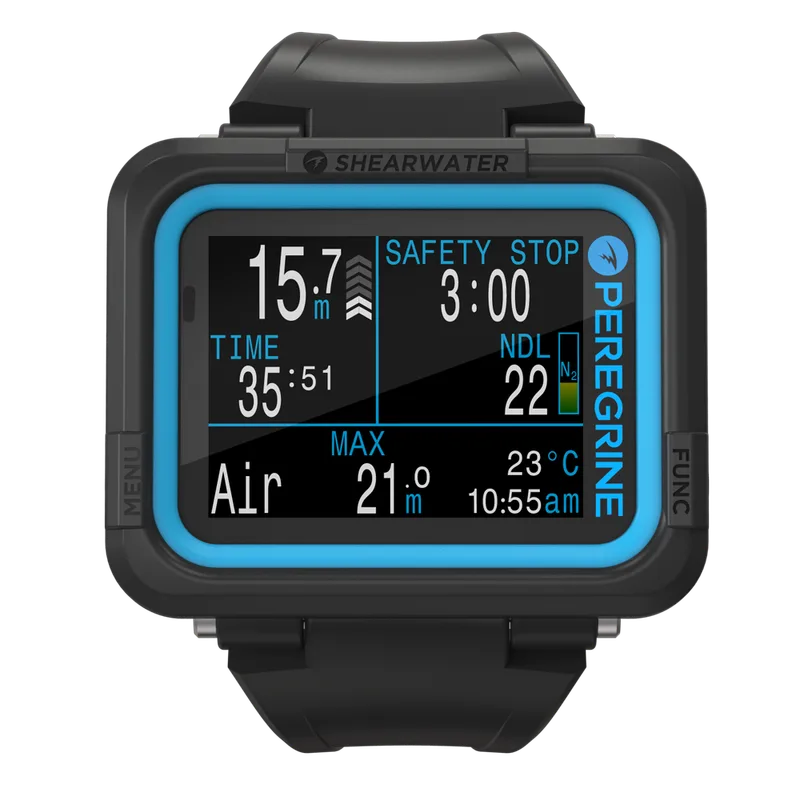

 TUSA
TUSA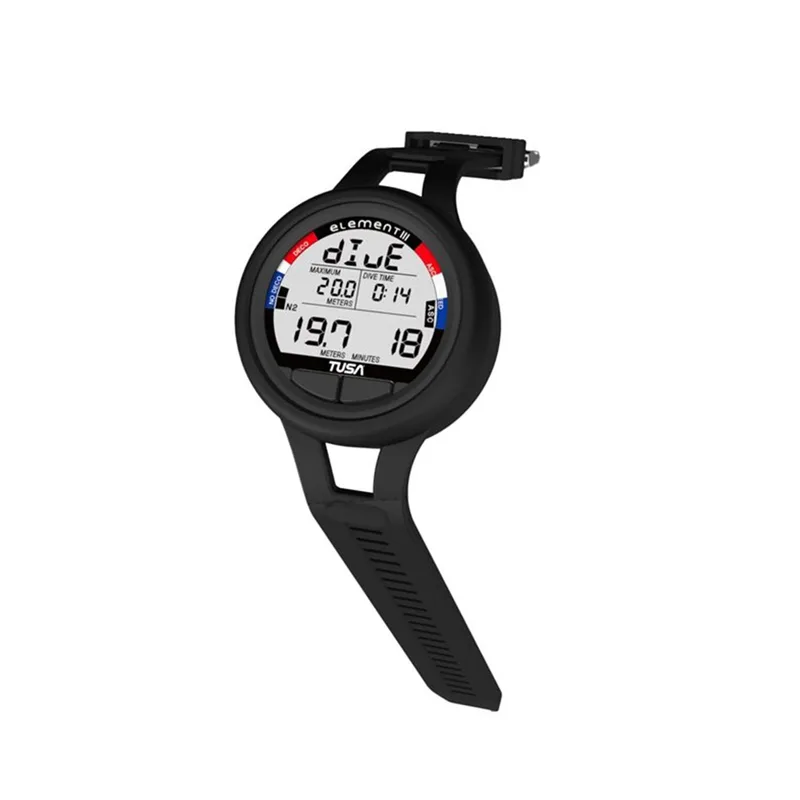
Scores are our editorial opinion of these models, based on features, suitability and ownership trade-offs—not hands-on test results. How we chose →
We’d pick the Peregrine.
Our pick is Shearwater Peregrine. Our straightforward choice for divers who want the larger display and do not need wireless pressure or a compass.
Which one suits you?
Shearwater Peregrine
Our straightforward choice for divers who want the larger display and do not need wireless pressure or a compass. Those two omitted features are the reason we would spend time comparing the TX.
Get to know this model →TUSA Element III Dive Computer
We see Element III as an option for buyers who want a more traditional dive-computer approach. We would start with the colour-screen choices here when display presentation is the main priority.
Get to know this model →Specifications side by side
The details that matter, side by side. “Check with the brand” means we have not confirmed that detail.
| Detail | Shearwater Peregrine | TUSA Element III Dive Computer |
|---|---|---|
| DisplayCheck with the brand | 2.2-inch LCD | Check with the brand |
| WeightCheck with the brand | 122 g | Check with the brand |
| Battery | Rechargeable; wireless charging | User-replaceable CR2450 |
| Wireless tank pressureCheck with the brand | No | Check with the brand |
| Digital compassCheck with the brand | No | Check with the brand |
| ModelCheck with the brand | Check with the brand | IQ1101 |
| AlgorithmCheck with the brand | Check with the brand | Bühlmann ZHL-16C |
| ModesCheck with the brand | Check with the brand | Dive, gauge and watch; nitrox support |
| Log capacityCheck with the brand | Check with the brand | More than 500 dives |
Showing all 9 specification rows.
What the differences mean when you buy
Display and control format
Shearwater Peregrine
- Display
- 2.2-inch LCD
- Weight
- 122 g
TUSA Element III Dive Computer
Ask the brand about this detail before ordering.
Look at the main information at normal wrist or console distance, with your usual vision correction. Display technology and diagonal size are useful facts, but they do not predict your ability to read smaller secondary information. Try menu navigation and controls with gloves. A feature upgrade within one family may retain exactly the same screen size.
Pressure monitoring and compatible accessories
Shearwater Peregrine
- Wireless tank pressure
- No
- Digital compass
- No
TUSA Element III Dive Computer
Ask the brand about this detail before ordering.
Identify whether pressure comes from a compatible wireless transmitter, a direct hose connection or a separate instrument. Optional support does not mean the accessory is included. Confirm the exact transmitter generation, number supported and installation requirements. A shared radio concept or brand family is not enough to assume cross-model compatibility.
Battery, modes and ownership
Shearwater Peregrine
- Battery
- Rechargeable; wireless charging
TUSA Element III Dive Computer
- Battery
- User-replaceable CR2450
- Modes
- Dive, gauge and watch; nitrox support
- Algorithm
- Bühlmann ZHL-16C
- Log capacity
- More than 500 dives
Check the current manual for supported modes and settings rather than relying on the computer’s price tier. Rechargeable and replaceable batteries create different travel routines. Confirm approved battery types, charging hardware and the supported logging workflow. An algorithm name is not a promise of identical behaviour across computers or firmware versions.
A closer look at both
Peregrine
A rectangular dive computer built around a 2.2-inch colour LCD and two-button controls. Air, nitrox, three-gas nitrox and gauge modes cover its core functions; vibration alerts and wireless charging keep the interface straightforward.
What we like
Our straightforward choice for divers who want the larger display and do not need wireless pressure or a compass.
What would make us think twice
Those two omitted features are the reason we would spend time comparing the TX.
More about the Peregrine →Element III Dive Computer
The Element III, model IQ1101, is a wrist computer with a backlight, audible alerts and a user-replaceable CR2450 battery. TUSA lists nitrox support, water activation and dive, gauge and watch modes. Its published log capacity is more than 500 dives, and a console version is a separate buying choice.
What we like
We see Element III as an option for buyers who want a more traditional dive-computer approach.
What would make us think twice
We would start with the colour-screen choices here when display presentation is the main priority.
More about the Element III Dive Computer →Four checks before you place an order
- Try the display and secondary information at the distance you will actually read it.
- Confirm required diving modes and the exact model or wired-system variant against the current manual.
- Identify compatible transmitters, chargers and any separately purchased installation parts.
- Review battery procedures, firmware support, logging compatibility and local servicing before paying.
Ask for a quote for the complete kit, including the accessories you need. That makes the price comparison much more useful.
Price, accessories and owning the equipment
Request a computer-only and complete-system price if pressure integration is part of the decision. Transmitters, charging accessories and installation can change the apparent upgrade cost substantially. The price of replacing accessories you already own belongs in the comparison as well; do not assume cross-brand or cross-generation compatibility.
Upgrade for a feature you will actually use: a clearer display, tank pressure on the wrist or a mode your diving calls for. We would rather have a readable everyday screen than a long menu of functions we never open.
How we scored these models & further reading
These are our subjective buying scores out of 100. We weigh the usefulness of the features, the intended diving or carrying job, and the compromises involved in owning the gear. They are not laboratory measurements, safety grades or customer averages. The verdict applies to the two named models, not everything either brand makes.
90–100: one of our first choices for the stated job. 80–89: a strong option with trade-offs. 70–79: a more specific fit. A different fit, camera, valve or dive plan can change which one you should buy.
Questions worth settling
Can I make the simpler model equivalent by adding a transmitter?
Only if that exact computer supports the compatible transmitter. Optional accessories cannot supply a capability the base computer does not have. Check the model-specific manual and the full compatible package before buying either component.
Which is the better buy for this particular comparison?
Those two omitted features are the reason we would spend time comparing the TX. We see Element III as an option for buyers who want a more traditional dive-computer approach.
Our pick is where we would start. Choose the other model if its fit or features better match your setup—especially where a camera, valve, boot or exposure suit needs an exact match.