
Waterproof vs O’Three
W40 vs 3mm Wetsuit – 3 X 3 GBS One Piece
Which one would we buy?
 Waterproof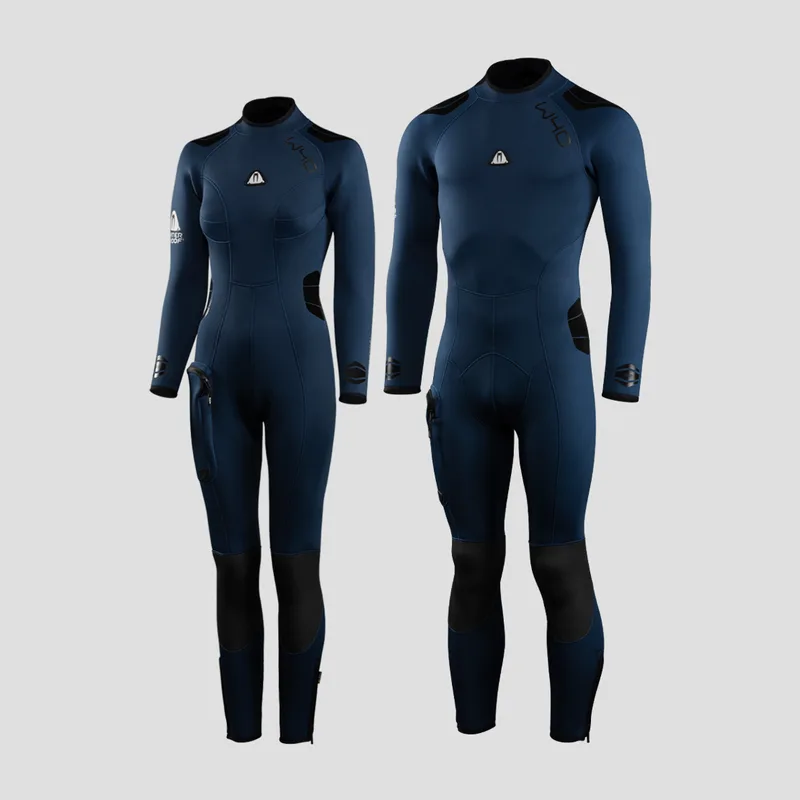

 O’Three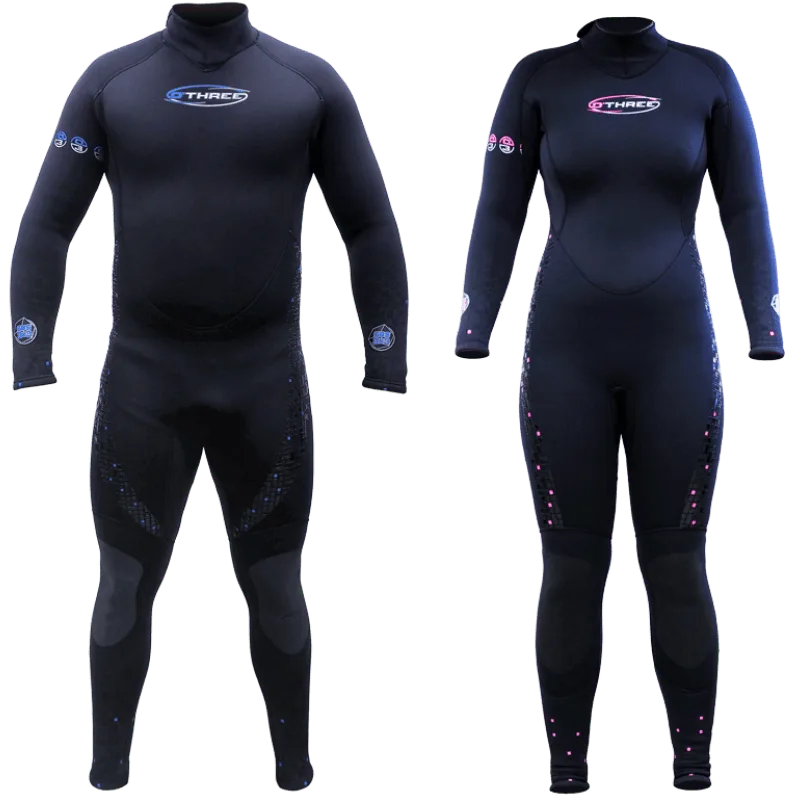
Scores are our editorial opinion of these models, based on features, suitability and ownership trade-offs—not hands-on test results. How we chose →
We’d pick the 3mm Wetsuit – 3 X 3 GBS One Piece.
Our pick is O’Three 3mm Wetsuit – 3 X 3 GBS One Piece. Our favourite for a 3 mm brief thanks to glued and blind-stitched seams and reinforcement at stress areas.
Which one suits you?
Waterproof W40
Our 5 mm shortlist leader for divers who like stretch neoprene and a useful hip pocket. A great specification cannot compensate for water flushing through a loose fit.
Get to know this model →O’Three 3mm Wetsuit – 3 X 3 GBS One Piece
Our favourite for a 3 mm brief thanks to glued and blind-stitched seams and reinforcement at stress areas. It is still a 3 mm suit; choose a different thickness when the trip requires it.
Get to know this model →Specifications side by side
The details that matter, side by side. “Check with the brand” means we have not confirmed that detail.
| Detail | Waterproof W40 | O’Three 3mm Wetsuit – 3 X 3 GBS One Piece |
|---|---|---|
| Thickness | 5 mm | 3 mm throughout |
| MaterialCheck with the brand | Ultraflex neoprene | Check with the brand |
| Intended conditionsCheck with the brand | Temperate water, subject to fit and personal exposure needs | Check with the brand |
| StorageCheck with the brand | Hip pocket | Check with the brand |
| ColourCheck with the brand | Blue | Check with the brand |
| SeamsCheck with the brand | Check with the brand | Glued and blind stitched; stress areas taped |
| EntryCheck with the brand | Check with the brand | YKK zipper with smooth-skin internal guard |
| CutsCheck with the brand | Check with the brand | Men’s and women’s |
| KneesCheck with the brand | Check with the brand | PU-laminated reinforcement |
Showing all 9 specification rows.
What the differences mean when you buy
Thickness and intended exposure
Waterproof W40
- Thickness
- 5 mm
- Intended conditions
- Temperate water, subject to fit and personal exposure needs
O’Three 3mm Wetsuit – 3 X 3 GBS One Piece
- Thickness
- 3 mm throughout
Thickness is a useful starting specification, not a complete thermal rating. Fit, water movement, duration, repeated dives and individual response affect the protection required. Compare the actual suit thickness and role rather than transferring a number from an older listing. This comparison does not set a safe minimum water temperature.
Cut, entry and movement
Waterproof W40
Ask the brand about this detail before ordering.
O’Three 3mm Wetsuit – 3 X 3 GBS One Piece
- Cuts
- Men’s and women’s
- Entry
- YKK zipper with smooth-skin internal guard
Try the correct body cut and size, then check shoulder reach, bending and the entry arrangement. Front and back zippers can affect dressing convenience, but convenience should not override fit. Look for gaps and uncomfortable restriction. A men’s or women’s label alone does not establish that the measurements suit an individual body.
Seams, barriers and wear areas
Waterproof W40
- Material
- Ultraflex neoprene
- Storage
- Hip pocket
O’Three 3mm Wetsuit – 3 X 3 GBS One Piece
- Seams
- Glued and blind stitched; stress areas taped
- Knees
- PU-laminated reinforcement
Read seam and water-barrier descriptions alongside the fit result. A pocket or reinforcement may be useful for a particular job, while a stretch-material name is not a measured flexibility advantage. Where seam details are missing, ask the manufacturer; do not treat absent research as proof that the suit lacks the feature.
A closer look at both
W40
The W40 is Waterproof’s blue 5 mm full wetsuit, built from Ultraflex neoprene and fitted with a hip pocket. It is aimed at temperate-water diving, with a close fit intended to reduce flushing. The pocket is a useful distinction from simpler full suits when you want somewhere to stow a small item without adding a separate pouch.
What we like
Our 5 mm shortlist leader for divers who like stretch neoprene and a useful hip pocket.
What would make us think twice
A great specification cannot compensate for water flushing through a loose fit.
More about the W40 →3mm Wetsuit – 3 X 3 GBS One Piece
The 3 × 3 GBS is a full suit with 3 mm neoprene throughout, glued and blind-stitched seams, and internal tape at main stress areas. Stretch panels cover the shoulders, arms and sides. O’Three also adds a floating collar, internal zipper guard and reinforced knee and seat areas.
What we like
Our favourite for a 3 mm brief thanks to glued and blind-stitched seams and reinforcement at stress areas.
What would make us think twice
It is still a 3 mm suit; choose a different thickness when the trip requires it.
More about the 3mm Wetsuit – 3 X 3 GBS One Piece →Four checks before you place an order
- Select exposure protection for the planned conditions with appropriate local guidance, then compare suitable thicknesses.
- Try the actual cut and size through the movements needed to reach your equipment.
- Check the neck, cuffs, lower back and zipper area for uncomfortable restriction or obvious gaps.
- Confirm the exact model generation, especially outlet stock, and obtain size-exchange and return conditions.
Ask for a quote for the complete kit, including the accessories you need. That makes the price comparison much more useful.
Price, accessories and owning the equipment
Include any required hood, boots or other compatible exposure equipment when comparing the total purchase. A clearance suit can be good value only if it is the correct model, fits properly and has acceptable condition and return terms. Do not substitute a current premium model’s specifications for an older similarly named suit.
A replacement is easier to justify when it fixes fit, wear or a clearly assessed exposure need. A thicker suit is not automatically the more comfortable or suitable purchase. Follow the specific cleaning and storage instructions, and reassess equipment fit and configuration if changing exposure thickness.
How we scored these models & further reading
These are our subjective buying scores out of 100. We weigh the usefulness of the features, the intended diving or carrying job, and the compromises involved in owning the gear. They are not laboratory measurements, safety grades or customer averages. The verdict applies to the two named models, not everything either brand makes.
90–100: one of our first choices for the stated job. 80–89: a strong option with trade-offs. 70–79: a more specific fit. A different fit, camera, valve or dive plan can change which one you should buy.
Waterproof W40
Product details and further reading →O’Three 3mm Wetsuit – 3 X 3 GBS One Piece
Product details and further reading →Questions worth settling
Are two suits of the same thickness equally warm?
No such conclusion follows from thickness alone. Their cut, water barriers, seams, condition and fit can differ, and the diver’s exposure needs matter. We do not have a controlled thermal comparison that establishes an overall warmth winner for this pair.
Which is the better buy for this particular comparison?
It is still a 3 mm suit; choose a different thickness when the trip requires it. Our 5 mm shortlist leader for divers who like stretch neoprene and a useful hip pocket.
Our pick is where we would start. Choose the other model if its fit or features better match your setup—especially where a camera, valve, boot or exposure suit needs an exact match.