
Ammonite System vs Heinrichs Weikamp
LED ONE vs hw40
Which one would we buy?

Scores are our editorial opinion of these models, based on features, suitability and ownership trade-offs—not hands-on test results. How we chose →
We’d pick the hw40.
Our pick is Heinrichs Weikamp hw40. Our choice for a handle-mounted setup with adjustable power and USB-C PD charging.
Which one suits you?
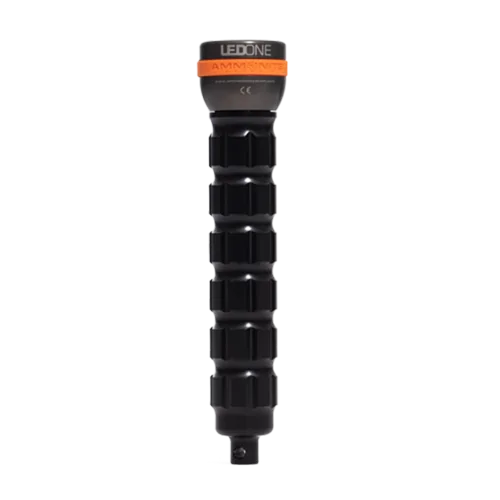
Ammonite System LED ONE
Our preference for divers who deliberately want AA cells and a narrow backup-style beam. Its 400-lumen output is a different proposition from a high-output primary light.
Get to know this model →Heinrichs Weikamp hw40
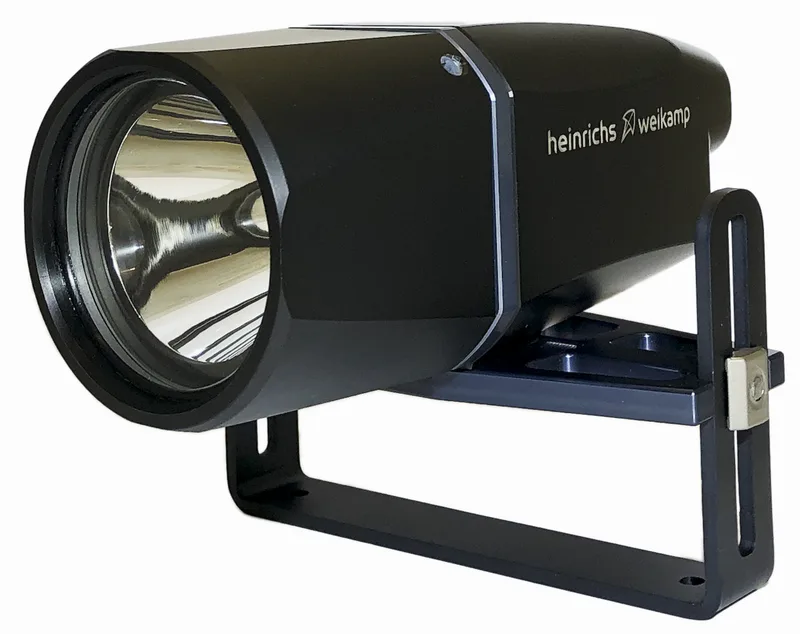
Our choice for a handle-mounted setup with adjustable power and USB-C PD charging. At 666 g ready to use with its handle, it is a different carrying commitment from the compact lights.
Get to know this model →Specifications side by side
The details that matter, side by side. “Check with the brand” means we have not confirmed that detail.
| Detail | Ammonite System LED ONE | Heinrichs Weikamp hw40 |
|---|---|---|
| OutputCheck with the brand | 400 lumens | Check with the brand |
| Beam | 6° | 5° |
| Battery | Three AA cells | 50.3 Wh, four 18650 cells |
| Rated runtimeCheck with the brand | Up to seven hours | Check with the brand |
| Depth rating | 200 m | 300 m |
| Power settingsCheck with the brand | Check with the brand | 5 / 10 / 20 / 40 W |
| Stated runtimeCheck with the brand | Check with the brand | 70 min at 40 W; 150 min at 20 W |
| ChargingCheck with the brand | Check with the brand | USB-C PD input; up to 45 W |
| Ready-to-use weightCheck with the brand | Check with the brand | 666 g including Goodman handle |
Showing all 9 specification rows.
What the differences mean when you buy
Beam and usable illumination
Ammonite System LED ONE
- Beam
- 6°
- Output
- 400 lumens
Heinrichs Weikamp hw40
- Beam
- 5°
Compare beam angles measured on the same basis. An explicitly underwater angle is not automatically comparable with an unlabeled angle, and total lumens do not measure central intensity on the subject. Adjustable beams change coverage. Watts describe electrical power and cannot be directly ranked against another light’s lumen figure.
Battery and output over time
Ammonite System LED ONE
- Battery
- Three AA cells
- Rated runtime
- Up to seven hours
Heinrichs Weikamp hw40
- Battery
- 50.3 Wh, four 18650 cells
- Stated runtime
- 70 min at 40 W; 150 min at 20 W
- Power settings
- 5 / 10 / 20 / 40 W
- Charging
- USB-C PD input; up to 45 W
Distinguish constant full output from a period that includes reduced output. Up-to runtime and runtime at a selected power level are different claims. Confirm the supplied battery, approved chemistry, charging arrangement and available spares. A matched endurance winner requires comparable conditions rather than simply selecting the larger printed number.
Handling, mounting and package
Ammonite System LED ONE
Ask the brand about this detail before ordering.
Heinrichs Weikamp hw40
- Ready-to-use weight
- 666 g including Goodman handle
Try the controls with gloves and evaluate the complete mounting arrangement. A ready-to-use weight including a handle is not equivalent to a bare light-head measurement. Check lanyards, mounts, chargers and cells in the package, and establish the light’s role within your planned lighting system rather than selecting it on a depth-rating headline.
A closer look at both
LED ONE
The LED ONE is a 400-lumen backup torch built around three AA cells and a narrow 6° beam. Ammonite lists up to seven hours of constant output. The Delrin body and aluminium head use twist activation, keeping the controls simple and the battery choice familiar.
What we like
Our preference for divers who deliberately want AA cells and a narrow backup-style beam.
What would make us think twice
Its 400-lumen output is a different proposition from a high-output primary light.
More about the LED ONE →hw40
The hw40 is a self-contained primary torch with a narrow 5° beam, four power settings and an adjustable Goodman handle. Its 50.3 Wh battery charges through USB-C Power Delivery after opening the housing. The manufacturer lists 75,000 lux at one metre in air; this is beam intensity, not 75,000 lumens of total output.
What we like
Our choice for a handle-mounted setup with adjustable power and USB-C PD charging.
What would make us think twice
At 666 g ready to use with its handle, it is a different carrying commitment from the compact lights.
More about the hw40 →Four checks before you place an order
- Identify the intended lighting role and the beam coverage it requires.
- Compare current revision, output mode and runtime basis using the exact manufacturer specification.
- Try controls and mounting with your normal gloves and equipment.
- Confirm supplied batteries, chargers, approved spare cells and transport guidance for the trip.
Ask for a quote for the complete kit, including the accessories you need. That makes the price comparison much more useful.
Price, accessories and owning the equipment
Include the battery, charger, spare pack and mounting arrangement in the purchase total. A light supplied without cells or a proprietary pack can have different ownership costs from an apparently similar complete kit. Ask about replacement O-rings, charging parts and service support rather than judging value by lumen count alone.
For an upgrade, identify whether the current issue is beam shape, control access, reliable output duration or handling. Follow the manufacturer guidance for battery handling, sealing and charging. A cave or technical model name is not an endorsement for an overhead dive or a substitute for the required lighting plan and training.
How we scored these models & further reading
These are our subjective buying scores out of 100. We weigh the usefulness of the features, the intended diving or carrying job, and the compromises involved in owning the gear. They are not laboratory measurements, safety grades or customer averages. The verdict applies to the two named models, not everything either brand makes.
90–100: one of our first choices for the stated job. 80–89: a strong option with trade-offs. 70–79: a more specific fit. A different fit, camera, valve or dive plan can change which one you should buy.
Ammonite System LED ONE
Product details and further reading →Heinrichs Weikamp hw40
Product details and further reading →Questions worth settling
Does the higher lumen number mean the better dive light?
Not by itself. Beam geometry, output duration, controls and the intended role matter. Published figures may use different measurement conditions. This comparison does not create a performance score where there is no matched independent test.
Which is the better buy for this particular comparison?
At 666 g ready to use with its handle, it is a different carrying commitment from the compact lights. Our preference for divers who deliberately want AA cells and a narrow backup-style beam.
Our pick is where we would start. Choose the other model if its fit or features better match your setup—especially where a camera, valve, boot or exposure suit needs an exact match.